Roof replacement
Start with the roof your house already has
The Capitol Region has a little of everything: slate on 1920s Tudors, membranes on brick six-families, shingles on postwar Capes. The right replacement depends on what is up there now.
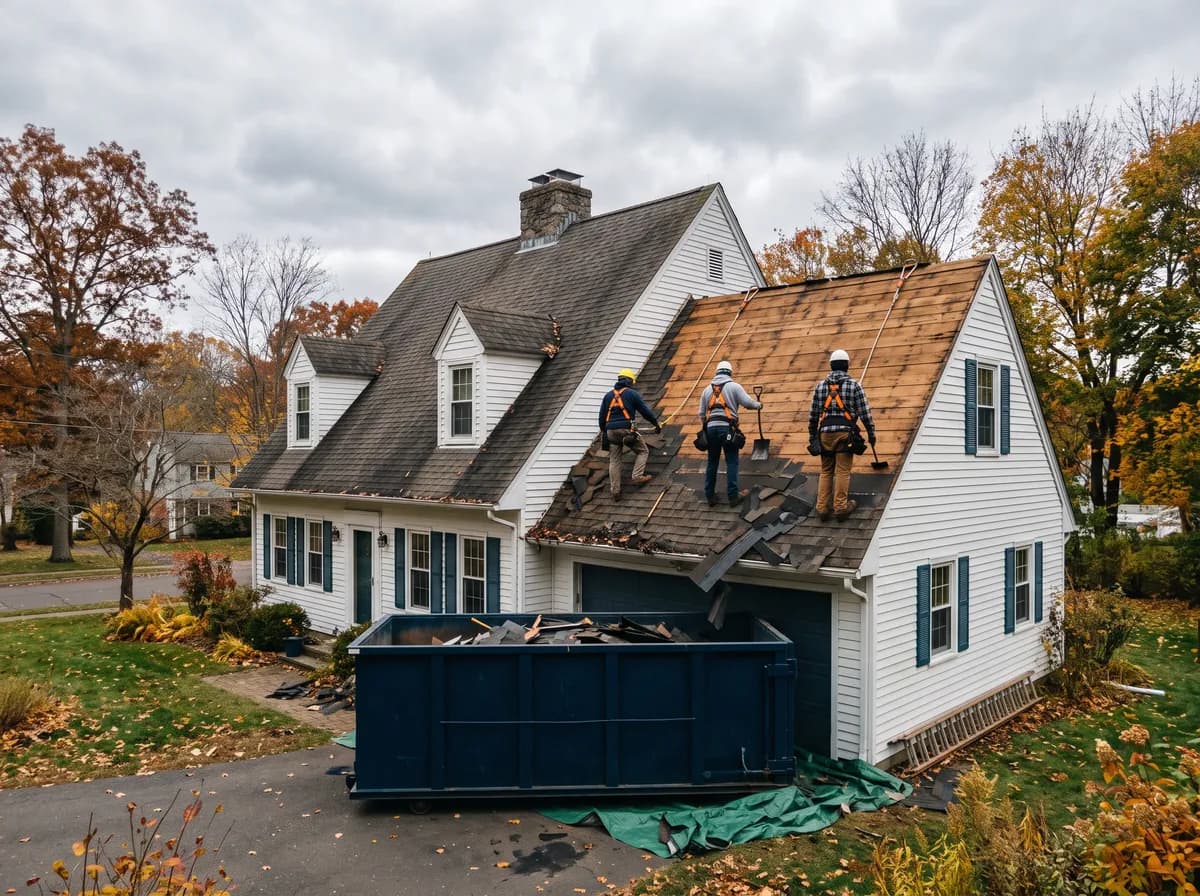 Asphalt shingle roofsTear-off, deck check, eave membrane and ventilation on the most common roof in the Capitol Region.
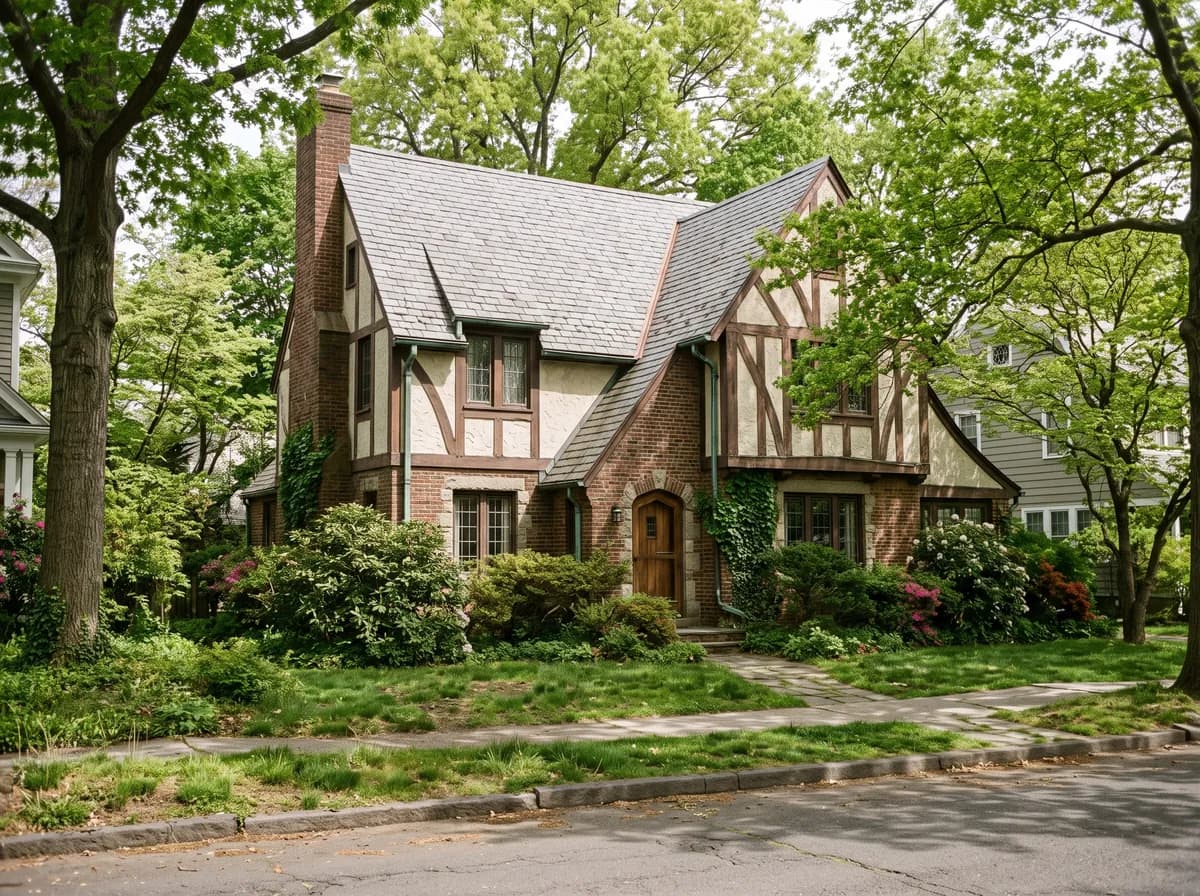 Slate and synthetic slateNatural slate, synthetic slate or shingles for the Tudors, Victorians and Colonial Revivals that still wear slate.
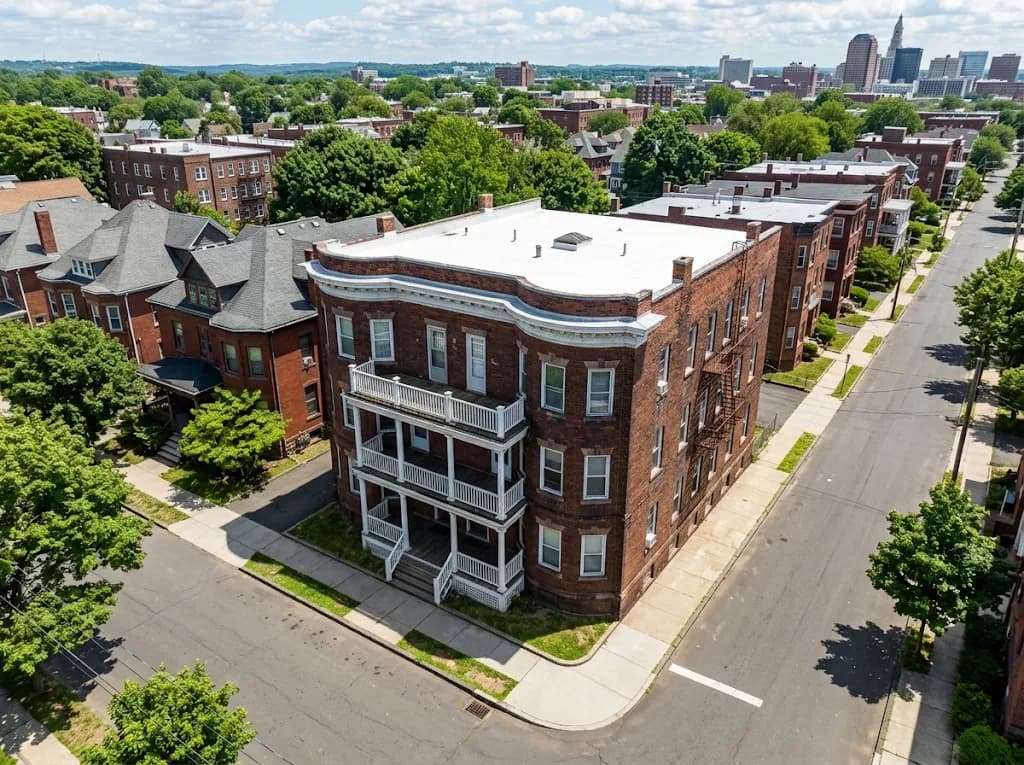 Flat and low-slope roofsMembrane roofs behind parapets on brick six-families, three-families and porch additions.
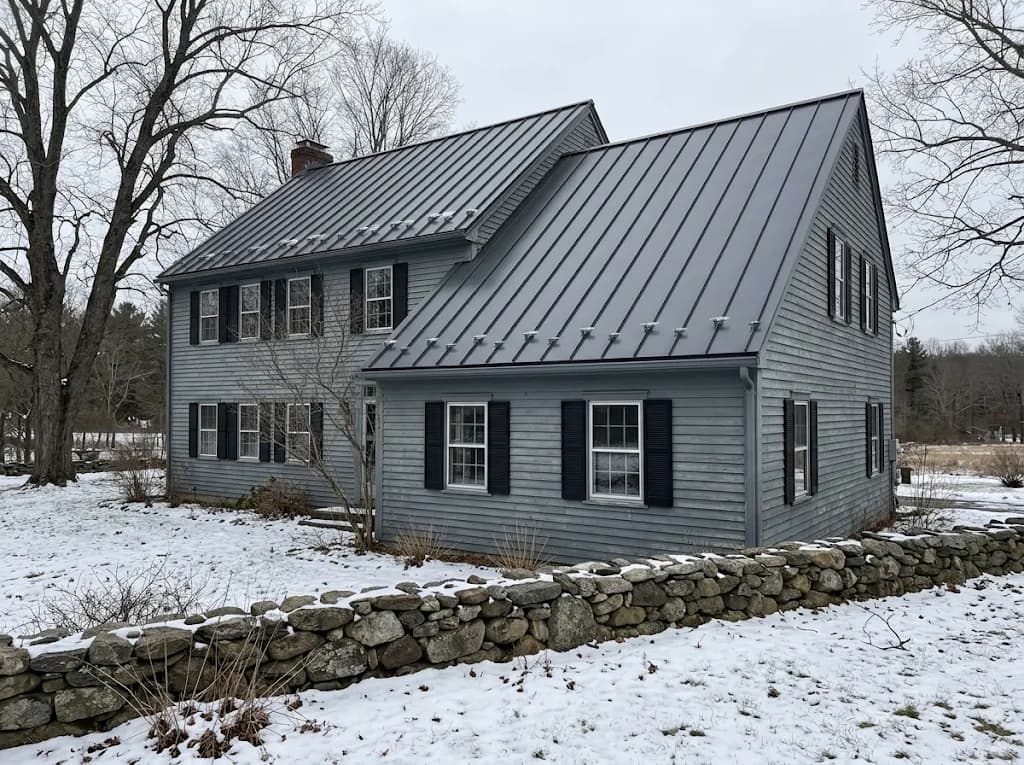 Standing seam metalStanding seam panels, snow guards and color choices for houses that see close to four feet of snow a winter.
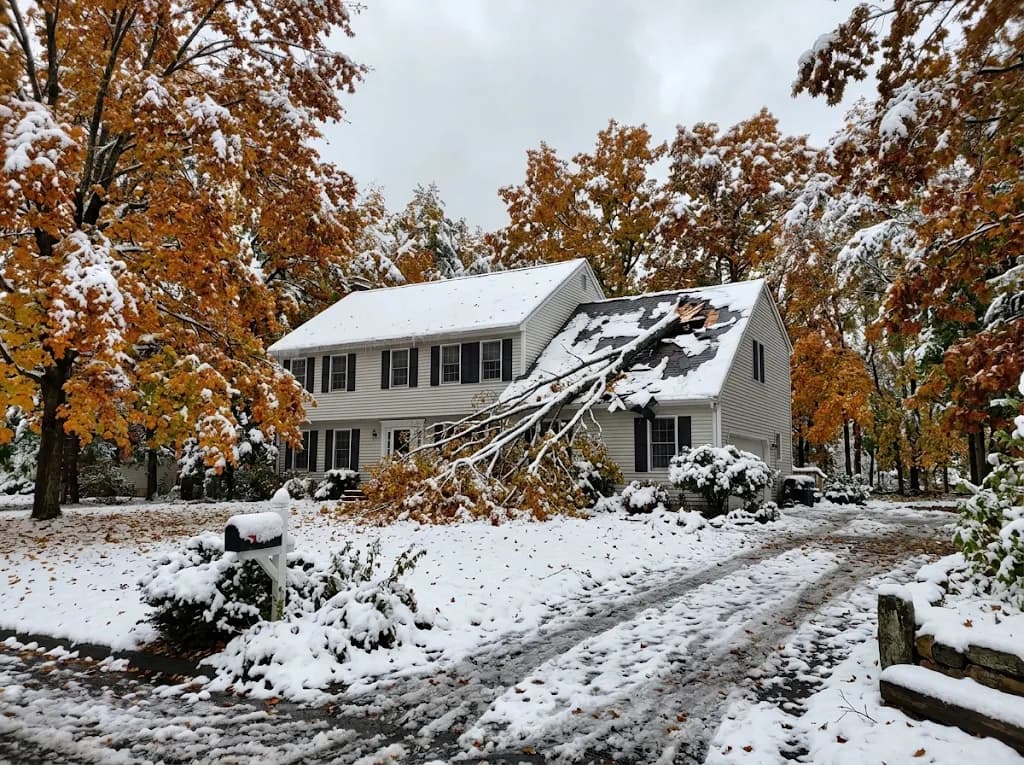 Storm and insurance claimsFrom the first photos to the adjuster visit and a signed Connecticut home improvement contract.
How Hartford-area roofs differ from the national picture
Two things set this part of Connecticut apart. First, the houses are old: by one 2017 count, about two thirds of Hartford’s housing was built before 1960 and about a third before 1940. Old houses mean board decking instead of plywood, chimneys that need new flashing, and sometimes two layers of old shingles that both have to come off.
Second, the winters are snowy. The 1991–2020 average at Bradley International Airport, where the Hartford area’s weather records are kept, is a little over 48 inches of snow a season. That makes eave membranes, attic ventilation and snow guards part of the conversation on almost every replacement. Our ice dam answer covers why.
What stays the same whatever the material
- In Connecticut, the roofer should hold an active Home Improvement Contractor registration with the Department of Consumer Protection. See how to check one.
- The contract has to be in writing, signed by both sides, with a notice of your right to cancel.
- A building permit is normally required for a full replacement. Agree in writing on who pulls it; our permit answer explains the steps.
Questions homeowners ask
- Which roof types does this phone line cover?
- Full replacement of residential roofs: asphalt shingle, natural and synthetic slate, low-slope membrane roofs on houses and multi-family buildings, and standing seam metal. Small patch jobs are outside what the participating roofers take on through this line.
- Can I switch materials when the roof is replaced?
- Usually, yes. Going from slate to asphalt or from asphalt to metal is common. The exceptions are houses in local historic districts, where a material change typically needs commission approval first, and framing that cannot carry a heavier roof.
- How long does a replacement usually take?
- Most single-family asphalt roofs in the Hartford area are torn off and replaced in one or two working days. Slate, metal and large multi-family flat roofs take longer, and weather can push any job back.